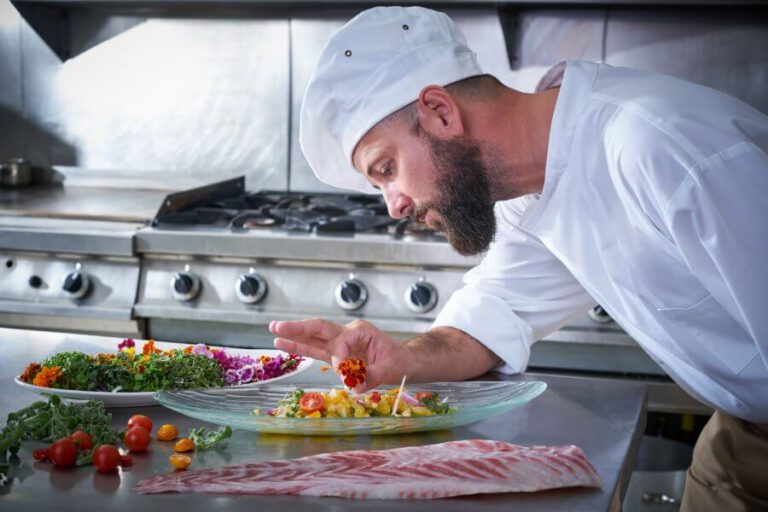

Cooking can offer creativity, purpose and the satisfaction of making something people enjoy. A professional kitchen can also provide friendship, shared ambition and a strong sense of belonging.
Yet loving the craft does not automatically make the working conditions sustainable.
For chefs questioning their future, the concerns can extend beyond a difficult service: working hours, financial stability, physical demands, management and the space left for life outside the kitchen.
Understanding why chefs are leaving the profession starts with looking at the conditions that make staying difficult. It also requires an important distinction: leaving a restaurant, changing culinary roles and leaving professional cooking altogether are different decisions.
What Does the Research Actually Show?
A report based on a 2025 survey conducted with The Burnt Chef Project gathered responses from 460 chefs, primarily working in the UK and other English-speaking markets. It found that 69% of respondents often or always considered leaving their current job.
That is a concerning finding, but it does not mean 69% of all chefs are leaving the profession. The survey measured intentions among its respondents, rather than confirmed departures across the global workforce.
The evidence provides reasons to take retention seriously, without treating every vacancy or resignation as proof that someone has abandoned cooking.
1. Long Hours Leave Too Little Room for Personal Life
Professional cooking often involves working when other people are spending time together.
The US Bureau of Labor Statistics describes early mornings, late evenings, weekends and holidays as common parts of chefs’ schedules. Some chefs and head cooks work more than 40 hours a week.
The difficulty is not simply the number of hours. It is also when those hours fall and how predictable they are. A changing rota can complicate childcare, relationships, social plans and time to recover.
In The Burnt Chef Project’s July 2021 survey of 2,311 UK hospitality workers, work-life balance was the most commonly cited reason for leaving the sector. This was a broader hospitality survey conducted during the pandemic period, rather than a current estimate for chefs alone. Nevertheless, it identifies a clear concern: whether work leaves enough room for the rest of life.
For someone assessing their future, a more predictable schedule can become as important as their next promotion.
2. Pay Has to Make Sense Alongside the Hours
There is no single financial experience shared by every chef. Earnings differ by country, employer, seniority and type of kitchen.
For example, US government figures put median annual pay for chefs and head cooks at $62,470 in May 2025. That occupational category should not be treated as the typical salary of every line cook or junior kitchen worker, and it says nothing about earnings in other countries.
For an individual chef, the practical calculation goes further than the headline salary:
- How many hours are actually worked?
- Is additional work paid?
- How predictable is the income?
- Does the role offer benefits and progression?
- What remains after housing, transport and childcare?
Respondents to the 2025 chef survey described unpaid overtime and understaffing among their concerns. These are reported experiences within that sample, rather than conditions that can be assumed in every kitchen.
Passion matters, but chefs also need a financially workable career.
3. Pressure Becomes Harder to Manage Without Support
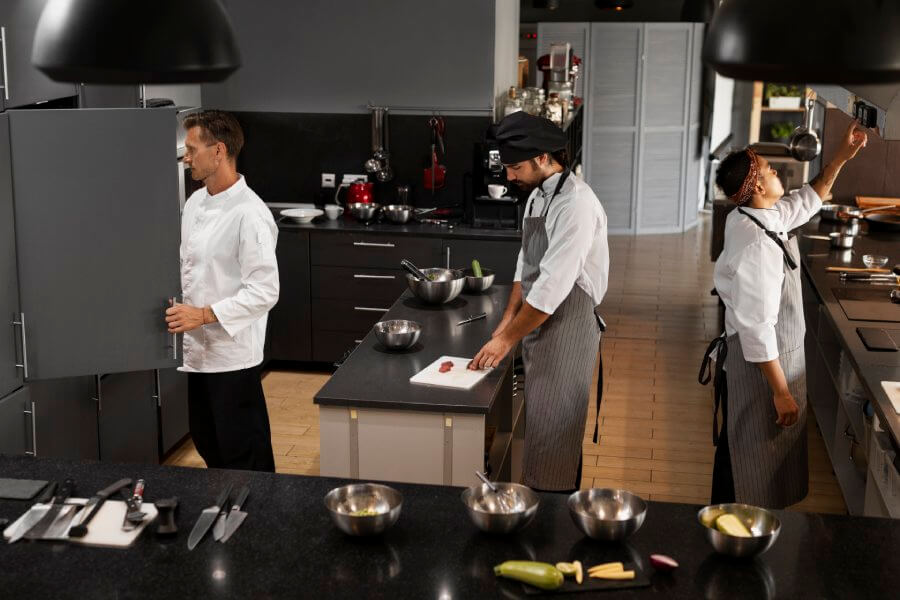
A demanding service can be satisfying when the team is prepared and supported. Persistent pressure without adequate recovery presents a different challenge.
Research published in the International Journal of Hospitality Management in 2016 examined creativity, job satisfaction, job stress and turnover intentions among hotel chefs. It showed why enjoying creative work does not, by itself, remove the pressures associated with wanting to leave a job.
This helps explain an apparent contradiction: a chef can enjoy cooking while feeling unable to continue in their current role.
The response should go beyond asking individuals to cope better. Worldchefs advocates management training, supportive working environments, opportunities for staff feedback and access to appropriate support as part of improving wellbeing in kitchens.
4. Kitchen Culture Can Make Staying Difficult
Leadership shapes how a team experiences pressure.
Clear instructions, constructive feedback and consistent expectations help people understand their work. Humiliation, intimidation and discrimination create a very different environment.
Qualitative responses in the 2025 chef survey included accounts of bullying, abusive management and sexism. These accounts help explain why working relationships need to be part of the retention discussion.
High culinary standards and respectful treatment should exist together.
A useful question for any kitchen is whether a team member can report a mistake, raise a concern or ask for help without fearing humiliation. The answer says something meaningful about the workplace people are being asked to stay in.
5. The Physical Demands Can Become Difficult to Sustain
Kitchen work places real demands on the body.
The UK Health and Safety Executive identifies lifting, carrying, pushing, pulling, repetitive activities and awkward posture as risks for back and upper-limb injuries in catering. Affected areas can include the hands, wrists, shoulders and neck.
These risks matter when considering whether a career is sustainable over decades.
A chef who finds particular tasks increasingly difficult may need changes to equipment, workload or responsibilities. That makes injury prevention and practical workplace adjustments part of the career conversation.
HSE guidance emphasises involving staff, improving handling practices and reporting aches and pains early. Physical strain should be addressed before it becomes something workers feel they must simply endure.
6. Leaving a Restaurant Does Not Always Mean Leaving Cooking
A resignation does not tell the whole story.
Chefs work in hotels, healthcare, catering businesses and other settings as well as restaurants. Some are self-employed. A move between these environments can represent a change in working arrangements while keeping culinary skills at the centre of a career.
This distinction matters for understanding the industry. Three different questions deserve attention:
- Why do chefs leave a particular employer?
- Why do chefs move into different kinds of culinary work?
- Why do some stop cooking professionally?
Each question may require a different response. Better management could address one situation; a different schedule or career direction might address another.

What Could Help More Chefs Stay?
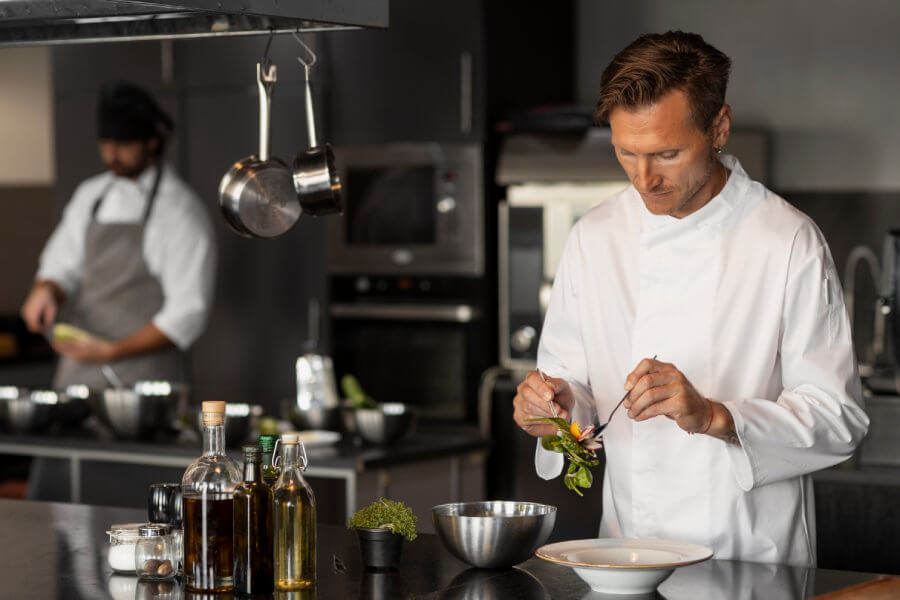
The evidence points towards practical areas for improvement: manageable workloads, clearer pay arrangements, respectful leadership and working patterns that allow a personal life.
For kitchen owners and managers, useful starting questions include:
- Working hours: Does the rota reflect the time the job actually takes?
- Pay: Are responsibilities, hours and compensation clearly agreed?
- Culture: Can staff raise concerns and receive constructive responses?
- Safety: Are physical risks being identified and reduced?
- Development: Do team members understand how they can progress?
- Feedback: Are people asked what would help them stay before they resign?
These are starting points for discussion, not a guarantee that every employee will remain. Different kitchens face different operational constraints, and individual priorities change.
However, recruitment alone cannot answer the question of why someone wants to leave. That requires listening to the people already doing the work.
A Culinary Career Needs to Work Beyond the Kitchen
A chef’s professional future has to accommodate more than the next service.
It needs room for financial security, relationships, health and development. Someone can value their training, take pride in their food and still decide that a particular working arrangement no longer fits their life.
At Magical Chefs, we believe these experiences deserve an honest conversation. Understanding them can help the industry identify what is worth protecting and what needs to improve.
Help Shape the Future of the Culinary Industry
Research can reveal patterns, but it cannot explain every individual experience behind them.
That is why Magical Chefs is also asking chefs and culinary professionals about the pressures, opportunities and challenges they face.
If you work in the culinary industry, share your experience through our anonymous chef survey.
The goal is to understand what working life is really like and what could realistically improve for the people behind the food.
Your experience matters. Share your perspective and help shape the conversation.