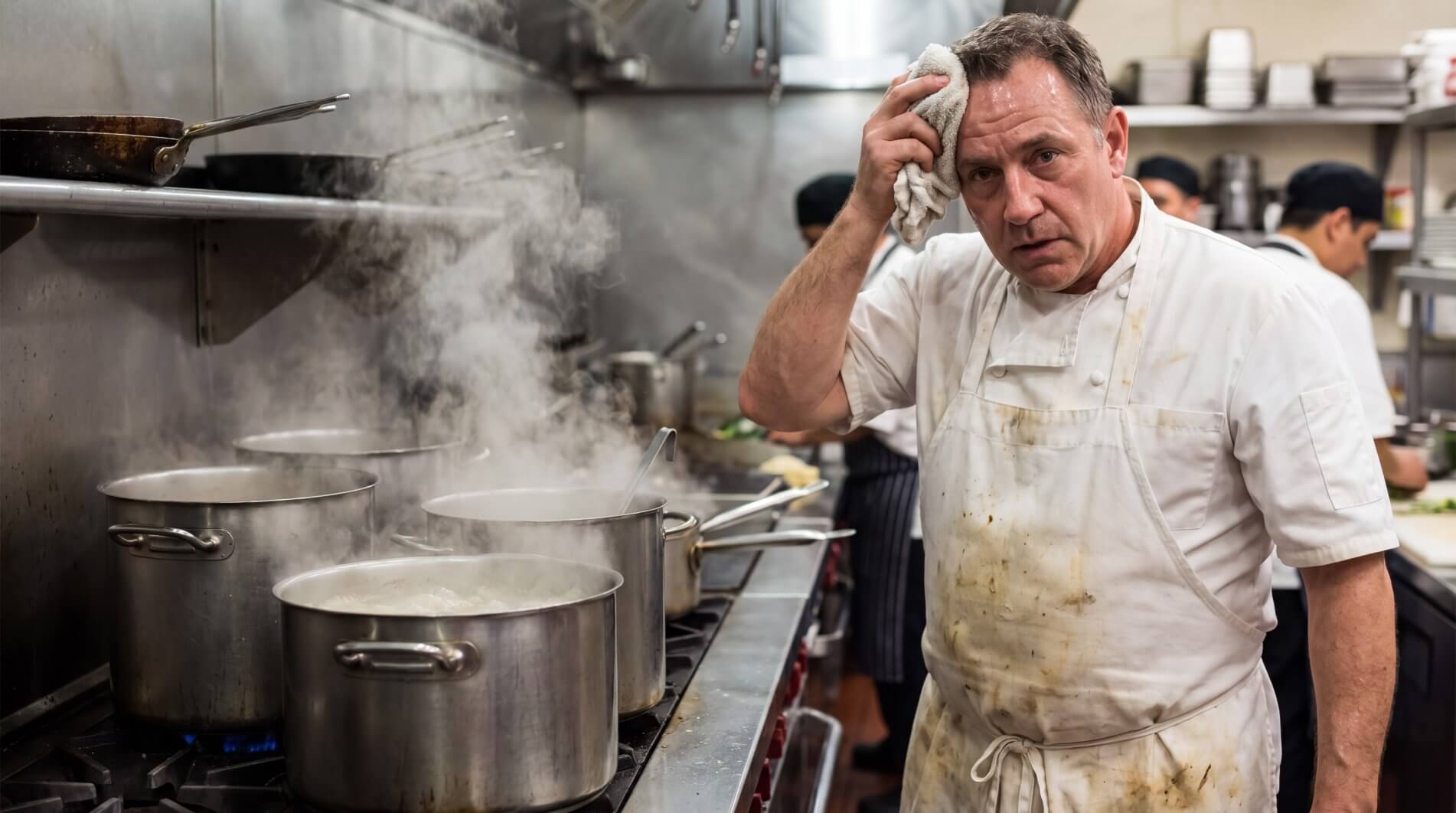
This Page Is for Chefs

Working as a chef can be creative, rewarding and deeply fulfilling, but it can also bring long hours, physical demands, intense pressure and an uncertain work-life balance.

We created this page to talk about the real challenges chefs face across the culinary industry, without blaming individuals or businesses. If you’re a chef, restaurant professional or part of a kitchen team, we hope you’ll feel understood here.

What are we seeing?

Chefs are talking openly about burnout, long hours, workplace pressure, pay and career sustainability.

Why does it matter?

When experienced chefs leave the industry, the effects can reach kitchen teams, restaurants and the future culinary workforce.

How does this page help?

We're bringing together research, industry perspectives and real experiences to explore what is happening and what could realistically improve.


Note: This page describes common patterns, not every chef. Every kitchen, role and culinary career is different.

“Most chefs don’t lose their passion for food. They struggle with what the profession can demand from their time, bodies and lives.” --- a common theme we hear

Honest Questions. Real Answers.

These are the questions chefs and culinary professionals are asking about burnout, money, respect, kitchen culture and whether the industry offers a sustainable long-term career.

1

Why are so many chefs leaving the profession?

Working as a chef can demand long hours, physical stamina and consistent performance under pressure. For some professionals, the rewards of the career no longer outweigh the demands.

We explore why chefs consider leaving, what keeps others in the industry and how working conditions can shape that decision.

2

Why is there a growing shortage of chefs?

Restaurants in many markets have reported difficulties recruiting and retaining skilled kitchen professionals. However, the reasons can vary widely between locations and sectors.

Pay, working hours, training, career progression and workplace culture can all influence whether people enter the profession or stay in it.

3

Why does working as a chef cause burnout?

Professional kitchens can be physically and mentally demanding. Long shifts, busy services, heat, deadlines and constant pressure can become difficult to sustain over time.

We look at the factors behind chef burnout and what could make culinary careers more sustainable.

4

Why is the financial reality difficult for many chefs?

A culinary career requires skill, training and experience. However, earnings do not always reflect the hours, responsibility and physical demands involved.

We explore wages, working hours, career progression and the financial realities chefs can face at different stages of their careers.

5

Why do some chefs feel undervalued or disrespected?

Chefs create experiences that customers often remember long after leaving a restaurant. Yet behind that experience are preparation, technical skill, creativity and demanding working conditions.

This topic looks at recognition, respect and how culinary professionals feel their work is valued.

6

Why is kitchen culture such a deciding factor in staying or leaving?

The people around you can completely change the experience of working in a kitchen. Leadership, communication, teamwork and respect can influence whether a workplace feels sustainable.

We explore how kitchen culture affects wellbeing, development and decisions about staying in the profession.

7

Why don't more chefs see a long-term future in the industry?

A career as a chef can offer many paths, from restaurants and hotels to private dining, education, consulting and entrepreneurship. Still, not everyone sees a clear route forward.

We look at career progression, physical demands and the opportunities available beyond traditional kitchen roles.

8

Why are reviews and reputation more stressful than helpful?

Reviews can help restaurants and chefs understand customer experiences. However, public ratings can also reduce a complex dining experience to a single score.

We explore how reviews affect culinary professionals and whether feedback can be more useful when it focuses on specific dishes and experiences.

9

What happens to the culinary industry if these problems stay ignored?

When experienced professionals leave, restaurants can lose skills, knowledge and mentors for the next generation.

Over time, recruitment and retention challenges may also affect kitchen teams, working conditions and the wider dining industry.

10

Why is Magical Chefs talking about this?

Magical Chefs exists to help culinary professionals show their work, build their professional identity and connect with opportunities.

That also means listening to the challenges affecting their careers. These conversations help us understand what professionals actually need rather than assuming we already know.

11

What can realistically improve without blaming anyone?

There is no single solution. Restaurants operate under financial pressure, while chefs face their own professional and personal challenges.

Better communication, clearer career paths, stronger workplace cultures, professional recognition and sustainable working practices are all areas worth discussing. Real improvement starts with understanding the experiences on every side.

Your Experience Matters

If you’re a chef or work in the culinary industry, we’d love to hear about your experience. Your anonymous feedback can help us understand the challenges professionals face and build a clearer picture of the industry.

It takes 2–3 minutes. No names required.

Rate This Plate

How would you rate this plate?

★ ★ ★ ★ ★